Regardless of which you choose, plant-based protein or meat protein, if you want to feel strong, energized, and healthy, you need protein.
Protein is a macronutrient that is essential for building muscle, repairing cells, and energizing your mind and body. But is all protein the same? Not exactly. There are many different types of protein that come from both animal and plant sources. While many people believe that meat and dairy products are the best sources of protein, others think that plant-based protein is the healthiest way to fuel your body.
The truth is, plant proteins and animal proteins both have health benefits. Animal proteins are complete proteins with all essential amino acids, while plant proteins typically offer more fiber and less saturated fat. The healthiest approach for many people is a balanced diet that includes a variety of minimally processed protein sources.
Let’s keep exploring the pros and cons of both plant-based proteins and animal protein so you can find the fuel that works for you.
Why Does Your Body Need Protein?

Along with fat and carbohydrates, protein is one of the three essential macronutrients that support all our body functions. Protein is found everywhere – from muscles to organ tissue to bones, skin, and hair.
We also need protein for energy. Amino acids (the building blocks of proteins) carry oxygen throughout the body, make antibodies that fight illness, make energy your body can use as fuel, and allow your body to create new, healthy cells. There are 20 total amino acids, but nine are absolutely essential to our well-being.
Aside from keeping your body functioning well, eating enough protein offers some added benefits:
- High protein meals make you feel full longer, which reduces frequent snacking and can help with weight loss.
- Protein in your diet helps build muscle mass and strength.
- Protein helps prevent bone loss and fractures.
More protein in your diet can increase your metabolism and burn more fat. - Protein is necessary for tissue repair after injury or damage.
How Much Protein Do You Need?
The best balance of protein in your diet is different for everyone. Most experts recommend a range of 56–91 grams per day if you are male, or 46–75 grams per day if you are female. For reference, one egg has 13g of protein, an average chicken breast has 31g, and a cup of lentils has 18g. To lose weight and build muscle, you can aim to eat more protein to support muscle growth.
Complete Vs. Incomplete Proteins
As it turns out, not all protein sources are created equal. Different protein sources have different absorption rates or can react differently in the body based on their unique amino acid makeup.
There are two different types of proteins. Complete proteins are foods that contain all 9 essential amino acids; incomplete proteins contain only some of the nine essential amino acids.
Most complete proteins are animal-based proteins. Foods like meats, fish, dairy, and eggs are common examples. Some plant-based proteins are complete proteins, too: quinoa, soy, buckwheat, and chia seeds are a few examples.
Incomplete proteins only contain some of the nine essential amino acids and tend to be plant-based sources. Nuts, seeds, legumes, grains, and some veggies fall into this category.
But, just because these foods are “incomplete” doesn’t mean they aren’t great protein sources. By pairing them with complementary incomplete proteins that have the amino acids they lack, you can create a complete protein meal. Rice and beans is a classic example of two incomplete proteins that come together to make a complete protein.
Want personalized nutrition guidance? Schedule a wellness consultation with an AlignLife provider to learn which protein sources best support your energy, metabolism, and health goals.
Plant Protein vs Animal Protein
You may be thinking that animal proteins are the best type of protein since they are more likely to have all the necessary essential amino acids. Not so fast! There are plenty of plant-based complete proteins and protein pairings that offer similar, if not better, benefits than animal proteins.
Let’s take a closer look at the pros and cons of plant-based versus animal-based proteins to find out which foods will best help you reach your goals.
Plant-Based Protein
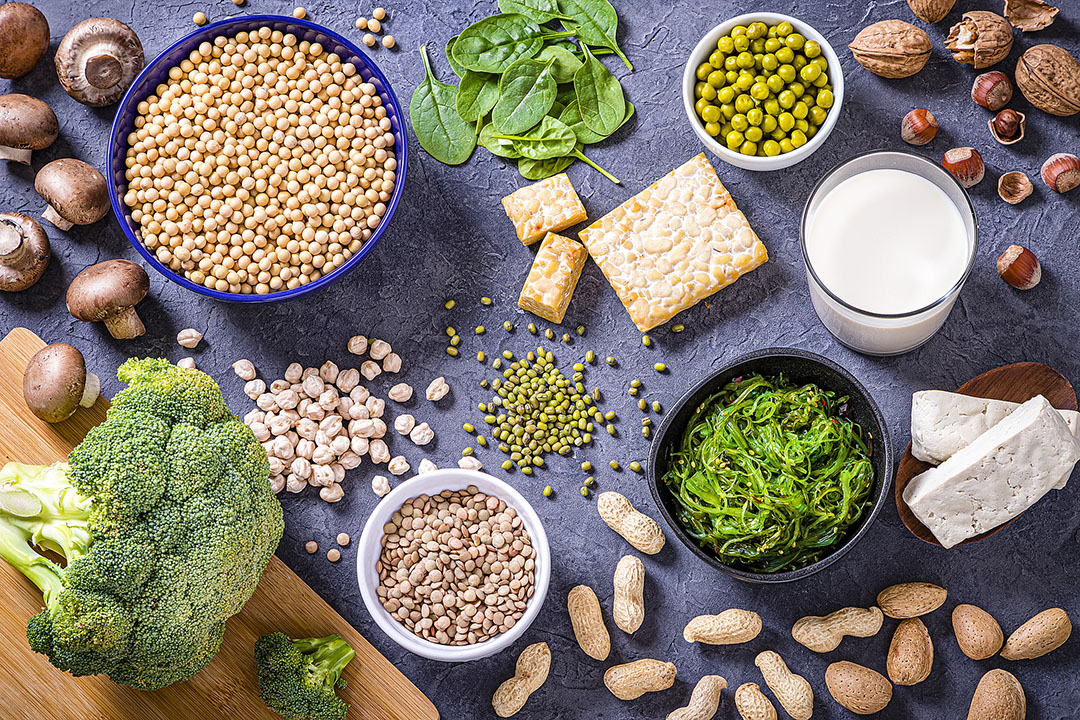
Plant-based proteins offer a good source of amino acids without using animal products. These tend to be legumes, nuts, grains, nuts, seeds, and some vegetables.
Pros of Plant-Based Protein
- Plant-based proteins make it easy for vegetarians and vegans to build muscle and boost energy. Eating enough plant-based protein is crucial if you are a vegetarian or vegan. Without getting any protein from animal sources, you are more at risk of developing a protein deficiency than your meat-eating friends. Thankfully, there are many delicious and nutritious plant-based proteins to try.
- Plant-based proteins are versatile and easy to cook with. Anyone can learn to cook with plant-based proteins! Foods like quinoa, beans, edamame, and lentils are easy to cook with and make a great addition to many salads, soups, and stir-fries. Chickpeas, beans, lentils, and nuts whip up into delicious dips and spreads in seconds. You can even make your own plant-based milk with ingredients like almond, hemp, or flax.
- Plant-based proteins tend to be budget-friendly. While meats and fish can rack up your grocery bill, plant-based proteins are often classic grocery store bargains. To save even more, shop in bulk for items like grains, nuts, and dried beans.
- Plant-based proteins are packed with health benefits. Most plant-based proteins are high in other nutrients along with protein. They contain fiber, vitamins, minerals, and antioxidants. These added benefits support wellness goals like weight loss, cardiovascular health, neurological health, mood balance, and healthy digestion. They also tend to be anti-inflammatory, unlike many meat sources which are pro-inflammatory.
- Plant-based proteins promote heart health. Many animal proteins like meat and dairy contain high levels of saturated fat, which lead to weight gain and cardiovascular conditions. Plant-based proteins have higher concentrations of monounsaturated good-for-you fats. Plant-based proteins are also less likely to have high levels of sodium, additives, sulfur, and carcinogenic chemicals like HCA.
Cons of Plant-Based Protein
- Can be more difficult to get enough complete proteins. Animal proteins tend to be more abundant in complete proteins, making it easier to get all the amino acids you need to thrive. If you are vegetarian or try to eat mostly plants, you’ll need to be diligent about properly combining your protein sources to get the right balance. The simplest and most effective way to fill any protein gaps is with a trusted plant protein supplement like Aceva’s Peak Protein.
- The potential risk of low vitamin D levels. Not eating meat also puts many vegetarians at risk of vitamin D deficiency and low protein levels. Vitamin D is essential for proper protein synthesis – turning the protein you eat into muscles and energy. Meat and dairy are the most common sources of vitamin D, which is why vegetarians and vegans are at a higher risk of low levels. But the truth is, many of us don’t get enough vitamin D, no matter our diet. If you’re eating enough protein or supplementing with a powder, you may still miss out on the benefits if your vitamin D levels are low.
- “Fake meat” isn’t always a smart alternative. While faux meat products like veggie burgers and “chick’n” are popular among vegetarians, they don’t always offer the same benefits as eating whole-food plants. Many of these substitute meats contain high amounts of sodium, added sugars, artificial coloring, additives, and fillers to give them a meat-like taste and texture. That being said, there are plenty of good-quality meat-free alternatives available that use only whole-food ingredients. When in doubt, read the ingredient list and choose the products made with healthy ingredients. Or, try making your own.
Best Plant-Based Protein Sources
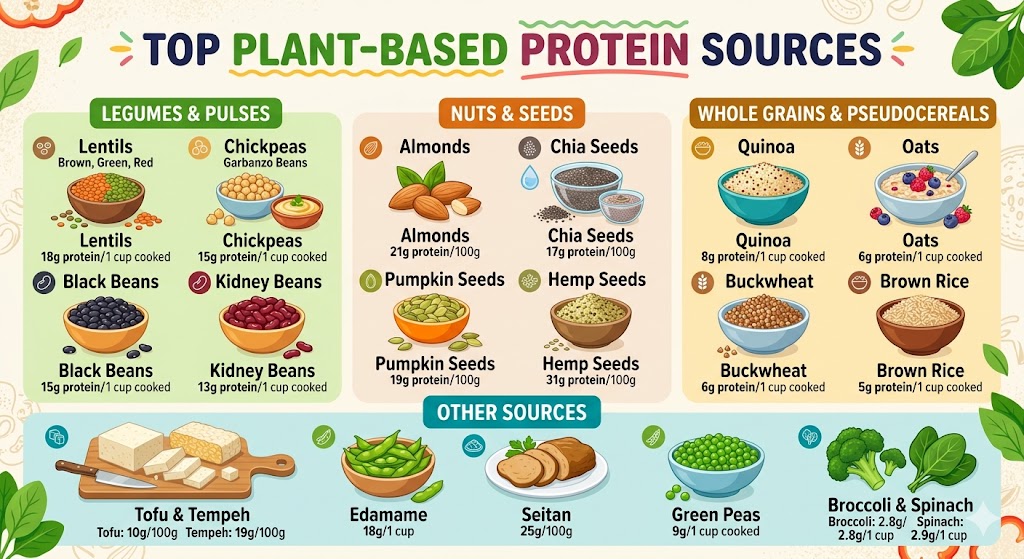
- Legumes & Pulses
- Lentils: 18g protein / 1 cup cooked
- Chickpeas: 15g protein / 1 cup cooked
- Black Beans: 15g protein / 1 cup cooked
- Kidney Beans: 13g protein / 1 cup cooked
- Nuts & Seeds
- Hemp Seeds: 31g protein / 100g
- Almonds: 21g protein / 100g
- Pumpkin Seeds: 19g protein / 100g
- Chia Seeds: 17g protein / 100g
- Whole Grains & Pseudocereals
- Quinoa: 8g protein / 1 cup cooked
- Oats: 6g protein / 1 cup cooked
- Buckwheat: 6g protein / 1 cup cooked
- Brown Rice: 5g protein / 1 cup cooked
- Other Powerful Sources
- Seitan: 25g protein / 100g
- Tempeh: 19g protein / 100g
- Edamame: 18g protein / 1 cup
- Tofu: 10g protein / 100g
- Green Peas: 9g protein / 1 cup cooked
Animal Proteins (Meat & Dairy)
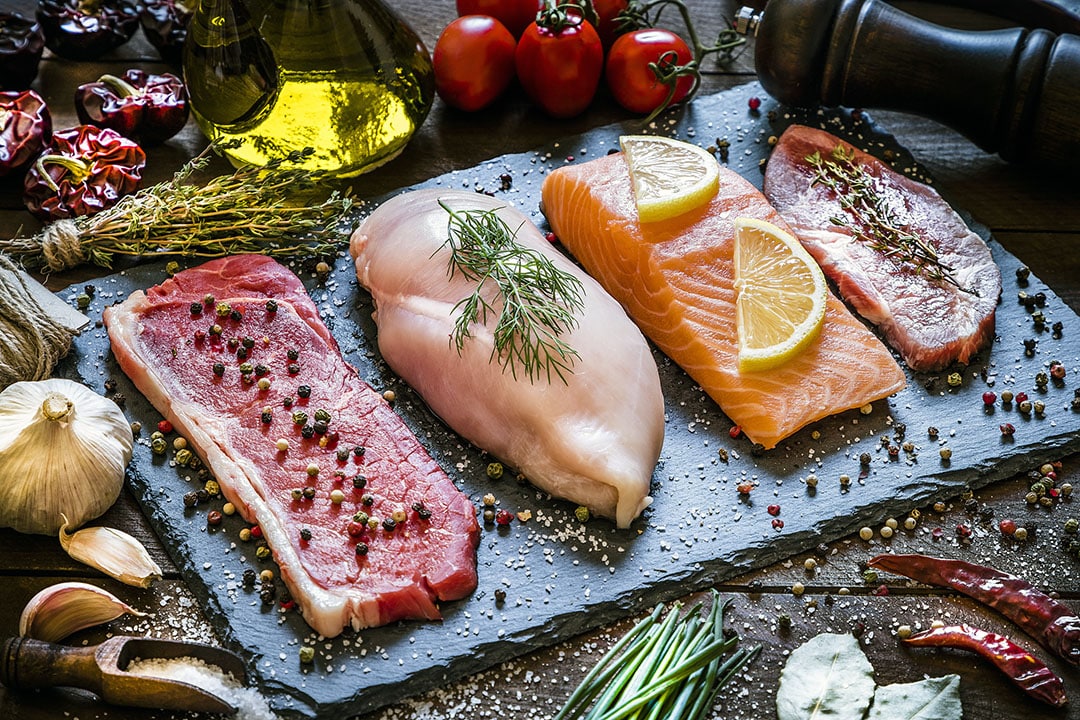
Protein is a key component of most animal-based proteins like meat, dairy, and eggs.
Pros of Animal Proteins
- Animal proteins are a good source of all 9 essential amino acids. Animal proteins tend to be more abundant in complete proteins which means you don’t have to worry about combining ingredients to get all the building blocks you need to create energy and build muscle.
- Whey protein may have unique health benefits. Whey protein can be found in dairy products like milk, cheese, yogurt, and whey protein supplements. It is a byproduct of making cheese. Whey protein has become a popular dietary supplement used to build muscle in adults and reduce colic in babies. Some studies show that it also has antioxidant and antimicrobial effects.
- The human body easily processes and uses animal protein. Humans evolved as omnivores, and have been using meat as fuel for millennia. If your digestive system is functioning well, you’ll easily be able to digest and assimilate the protein from animal sources to be used for energy, muscle growth, tissue regeneration, immunity, and more. If you notice poor digestion when eating meats, you may need to add more fiber to your diet or add in a probiotic or digestive enzyme.
- Animal proteins most powerfully increase muscle and bone mass. While you can support your muscles and bones with plant-based proteins, animal proteins tend to get the job done faster. Animal-based protein consumption is linked to increased bone density and reduced muscle loss in old age.
- Animal meats contain other vital nutrients necessary for good health. Animal proteins are often good sources of certain nutrients that are otherwise difficult to find in plant-based foods, namely vitamin D and vitamin B12. These two vitamins are needed for a range of body functions, ranging from brain health to healthy skin.
Cons of Animal Proteins
- Diets high in animal proteins are linked to heart disease, stroke, and obesity. Several studies show that certain animal proteins – especially red meat – contain high levels of saturated fats. Processed meats (like sausages) can also contain high levels of sodium. These factors significantly contribute to the development of cardiovascular disease, diabetes, and other health issues. It’s important to note that not all animal proteins carry this risk. Lean meat sources like poultry and fish are actually shown to benefit cardiovascular health and lower the risk of heart disease and diabetes.
- Cooking animal proteins can release toxic chemicals. Studies show that cooking muscle meats at high temperatures (like grilling, smoking, and frying) can trigger the formation of Heterocyclic amines (HCAs) and polycyclic aromatic hydrocarbons (PAHs). These are chemicals that have been found to mutate DNA and increase the risk of cancer.
- Many types of meat contain harmful added substances. Packaged supermarket meat often contains additives like binders, emulsifiers, preservatives, antimicrobials, curing agents and cure accelerators, flavoring agents, and coloring agents. Processed and cured meats contain nitrates, which have been shown to cause health issues including cancer.
Best Animal Protein Sources
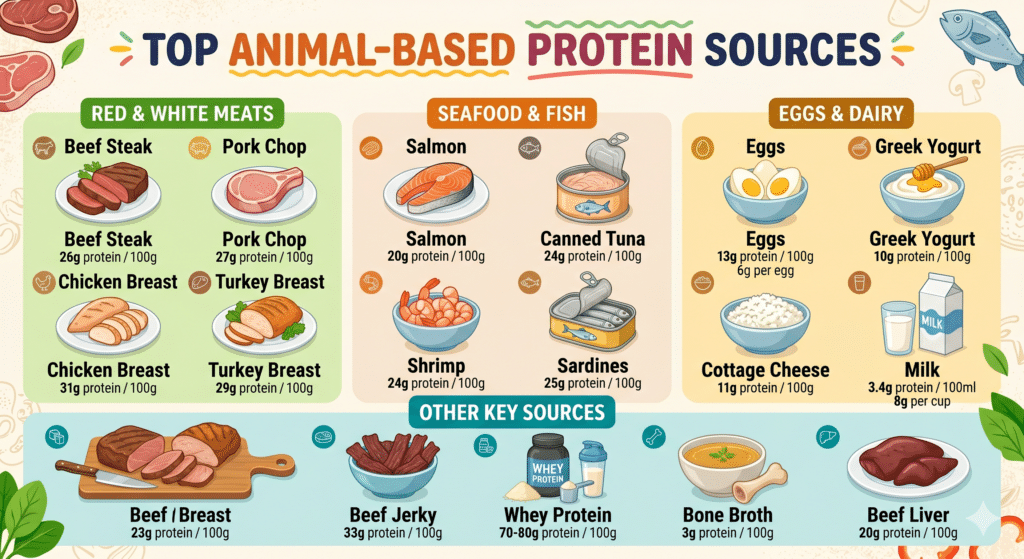
- Red & White Meats
- Beef Steak: 26g protein / 100g
- Pork Chop: 27g protein / 100g
- Chicken Breast: 31g protein / 100g
- Turkey Breast: 29g protein / 100g
- Seafood & Fish
- Salmon: 20g protein / 100g
- Canned Tuna: 24g protein / 100g
- Shrimp: 24g protein / 100g
- Sardines: 25g protein / 100g
- Eggs & Dairy
- Eggs: 13g protein / 100g (or approx. 6g per large egg)
- Greek Yogurt: 10g protein / 100g
- Cottage Cheese: 11g protein / 100g
- Milk: 3.4g protein / 100ml (or approx. 8g per cup)
- Other Key Sources
- Beef / Breast: 23g protein / 100g
- Beef Jerky: 33g protein / 100g
- Whey Protein: 70-80g protein / 100g
- Bone Broth: 3g protein / 100g
- Beef Liver: 20g protein / 100g
What Nutritionists Recommend for Protein

Whether you choose plant-based protein or meat as your main source of protein, making sure you get enough high-quality protein is what matters most.
Meat-eaters should source their meat from local organic farmers whenever possible. Experiment with different cuts and even try organ meats (like liver and heart), which can be great sources of high-quality animal protein and other nutrients. Eat red meats and processed animal products in moderation.
Are you vegetarian? Just want to live a more plant-based life? Try to work healthy plant proteins into every meal.
Supplementing with Peak Protein and Active-D Plus is the most reliable way for anyone – no matter your food preferences – to avoid deficiency and help your body perform at its best.
Meet Your Goals with AlignLife

Need help figuring out what types of proteins and diets are best for your unique body and health goals? Schedule a visit with an AlignLife chiropractor near you! From functional nutrition to comprehensive chiropractic care, our team can create a wellness program to help you live your healthiest life.
FAQs on Plant and Animal Proteins
Is plant protein healthier than meat?
Plant protein and meat can both be part of a healthy diet, but they offer different benefits. Plant-based proteins like beans, lentils, tofu, nuts, and quinoa are typically higher in fiber and lower in saturated fat, which may support heart health and digestion. Meat provides complete protein, iron, vitamin B12, and other nutrients that are important for muscle maintenance and energy. The healthiest choice often depends on your personal health goals, activity level, and the quality of the protein sources you choose.
Can you build muscle with plant protein?
Yes, you can absolutely build muscle with plant protein. While many plant proteins contain lower amounts of certain essential amino acids compared to animal protein, eating a variety of protein-rich plant foods throughout the day can help support muscle growth and recovery. Foods like tofu, tempeh, lentils, edamame, quinoa, and pea protein are especially helpful for active individuals and athletes.
Is red meat bad for you?
Red meat is not inherently bad for you, but the type and amount matter. Lean, minimally processed red meat can provide valuable nutrients like iron, zinc, vitamin B12, and high-quality protein. However, regularly eating large amounts of processed meats or fatty cuts of red meat has been linked to increased risks of heart disease, inflammation, and certain health conditions. Choosing lean cuts and balancing them with plenty of vegetables, fiber-rich foods, and plant proteins may support better long-term health.
Which protein is better for weight loss?
Both plant protein and animal protein can support weight loss when included in a balanced diet. Protein helps you feel fuller longer, supports metabolism, and helps preserve muscle while losing weight. Plant proteins often contain fiber, which may help reduce hunger and improve digestion. Lean animal proteins can also be satisfying and nutrient-dense. The best option is one that helps you maintain a sustainable, healthy eating pattern.
What protein is best for building strong bones?
Protein plays an important role in bone health because bones are made partly of protein structures. Both plant and animal proteins can help support strong bones when paired with enough calcium, vitamin D, magnesium, and regular exercise. Dairy products, fish, beans, tofu, leafy greens, and fortified plant foods can all contribute to healthy bone development and maintenance.
Is plant protein easier to digest than meat?
For some people, plant proteins may feel easier to digest because they are naturally higher in fiber and lower in saturated fat. Others may digest animal protein more easily because it is highly bioavailable and concentrated. Digestion can vary based on the individual, food preparation methods, and overall gut health.
Do you need meat to get enough protein?
No, you do not need meat to meet your protein needs. Many people get adequate protein through plant-based foods like beans, lentils, tofu, nuts, seeds, quinoa, and protein-rich whole grains. However, it is important to eat a variety of foods to ensure you are getting enough essential nutrients like iron, vitamin B12, and omega-3 fatty acids.
What is the healthiest source of protein?
The healthiest protein sources are usually minimally processed foods that provide protein along with other beneficial nutrients. Examples include fish, beans, lentils, eggs, Greek yogurt, tofu, nuts, seeds, and lean meats. A balanced approach that includes a variety of protein sources may provide the greatest overall health benefits.