Studies show that stimulating key sinus pressure points can provide powerful allergy relief—often outperforming antihistamines without the unwanted side effects.
When you’re dealing with throbbing sinus pressure and a constantly runny nose, you want relief fast. For most people, that means reaching for allergy medication. It may help temporarily, but the symptoms often return—along with drowsiness and dry mouth.
The good news? Medication isn’t your only option. One of the fastest, most natural ways to relieve sinus pressure and allergy symptoms is by using targeted pressure points (also known as acupressure). And for even deeper, longer-lasting results, acupuncture can take those benefits to the next level.
Read on to learn how pressure points can quickly ease your symptoms—and how acupuncture can help address allergies at the root.
Why Focus on Pressure Points for Allergies?
Acupressure is a simple, effective technique rooted in Traditional Chinese Medicine (TCM) that involves applying gentle, sustained pressure to specific points on the body. These points influence circulation, inflammation, and nerve signaling—making them especially helpful for sinus and allergy relief.
By stimulating these areas, you can:
- Relieve sinus pain and pressure
- Open nasal passages for easier breathing
- Reduce inflammation and swelling
- Encourage drainage of mucus and allergens
- Support a more balanced immune response
Best of all, acupressure can be done anytime, anywhere—giving you fast relief when you need it most.
How Acupuncture Takes It a Step Further
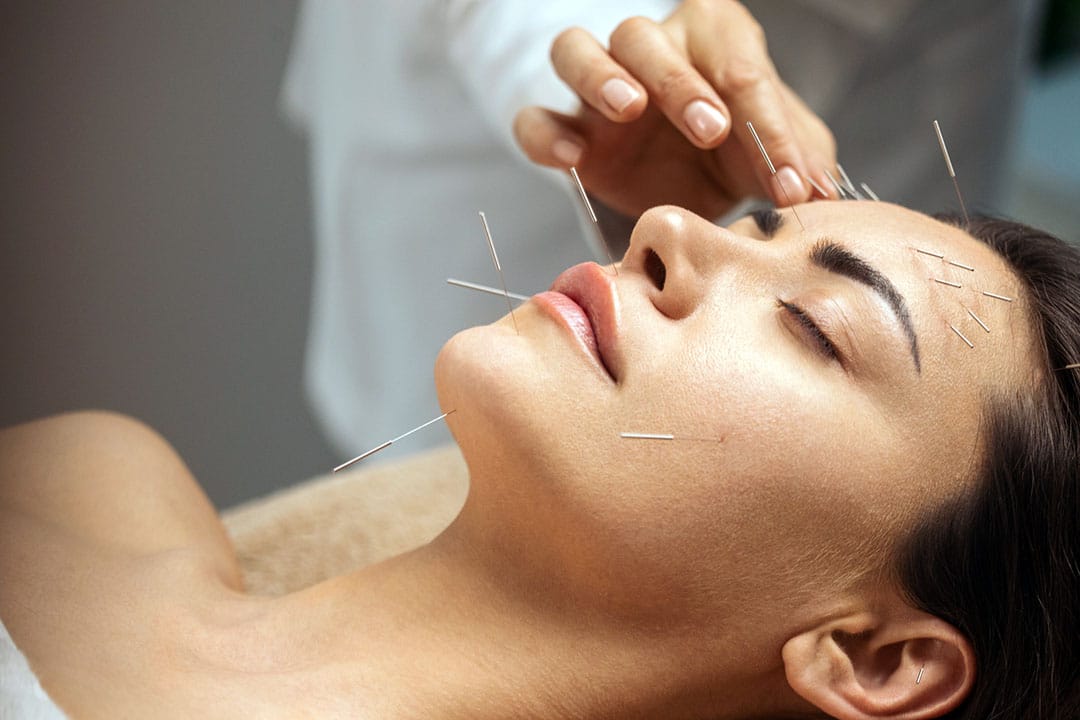
While acupressure is something you can do at home, acupuncture builds on the same principles in a more targeted and powerful way. Using very fine needles, trained practitioners stimulate these same points to create deeper, longer-lasting changes in the body.
Acupuncturists also see allergies and sinus pain as signs that the body is imbalanced in some way. Like chiropractic, acupuncture targets key areas (acupoints) to realign the body energetically, so allergies resolve naturally. Here are a few of the ways that acupuncture could help you relieve allergies and sinus pressure:
1) Reduce pain and pressure.
If you’ve ever struggled with allergies, you know that sinus pain and pressure quickly follow those first few sneezes and watery eyes. Acupuncture has a natural analgesic effect that can help alleviate sinus pain, headaches, and pressure. It does so by first releasing endorphins that mute the pain signals going to your brain. Then, acupuncture’s anti-inflammatory and circulation-boosting effects help reduce inflammation, swelling, mucus, and pressure in the sinus cavity for long-term relief.
2) Clear congestion.
Similar to chiropractic adjustments that release toxins, acupuncture may also have a clearing effect on the body. This is thanks to the increase in blood and Qi flow that occurs during an acupuncture treatment. As circulation increases, the body is able to clear away irritating allergens, excess mucus, and debris more completely. As the congestion clears, airflow increases for easier breathing.
3) Lower inflammation.
Acupuncture’s clearing effect not only helps eliminate the pollen, mold, or other allergens you’ve come in contact with but also clears inflammation and its harmful effects.
Inflammation is one of the most prevalent – and stubborn – factors when it comes to allergies and sinus pressure. When your body identifies an allergen, it goes into defense mode. Immune cells mount an inflammatory response in hopes to wipe out the invader. The trouble is, most allergens are not actually harmful, so this inflammation has nothing to attack but your own tissues.
Acupuncture helps reduce inflammation for both quick relief and long-term immune health. Studies show that acupuncture may reduce inflammation by limiting the amount of circulating proinflammatory proteins.
4) Balance the immune system.
Allergies and chronic sinus pressure are often a sign that the immune system has fallen out of balance. It becomes hyperactive and over-responsive. As a result, the body mounts an immune attack on anything that seems unusual, including harmless particles like pollen – or even the body’s own sinus tissue.
Acupuncture helps by guiding the immune system back to a state of balance. Studies show that acupuncture has a moderating effect on the immune system; it both calms and strengthens the immune system to reduce harmful responses (like allergies) and improve helpful responses (fighting the common cold or other illnesses).
Try It: 5 Massage Points for Sinus Relief

You can start finding relief right now using these key pressure points. Apply gentle but firm pressure for 10–30 seconds on each side while taking slow, deep breaths.
#1: Welcome Fragrance (Large Intestine 20)
Located beside each nostril. Helps open nasal passages and relieve congestion.
LI 20 is one of the most commonly used points to open the nasal passages and clear sinus congestion. Press with slight upward pressure and take deep breaths. Spray the room with an aromatherapy mist containing eucalyptus or tea tree oil for even better results.
Use it for:
- Nasal congestion and rhinitis
- Sinus pressure
- Allergies
#2: Four Whites (Stomach 2)
Located just below the eyes on the cheekbone. Eases sinus pressure and soothes itchy, watery eyes
ST 2 is a go-to acupoint for allergy symptoms that affect the eyes. This point helps clear inflammation and stagnation in the sinus cavities, as well as the eyes themselves.
Use it for:
- Sinus pain, pressure, and headaches
- Itchy, watery eyes
- Twitching eyelids
#3: Bamboo Gathering (Urinary Bladder 2)
At the inner edge of the eyebrows. Relieves sinus headaches and eye irritation.
UB 2 is an effective point for relieving sinus headaches and irritated eyes. It can also help reduce nasal congestion or that foggy-headed feeling that often comes with allergies.
Use it for:
- Sinus pain, pressure, and headaches
- Nasal congestion
- Eye irritation
- Foggy, heavy head
#4: Broken Sequence (Lung 7)
On the forearm, above the wrist. Supports lung function, reduces mucus, and eases neck tension.
LU 7 can be used for a wide range of symptoms, but in this case, it helps us clear the lungs of mucus, improve circulation through the lungs and nasal passages, and boosts overall lung health. This point also connects to the neck and can relieve neck tension (especially when it is related to allergies and sinus pressure).
Use it for:
- Nasal congestion
- Cough and common colds
- Respiratory wellness
- Neck tension
#5: Leg Three Miles (Stomach 36)
Below the knee on the outer leg. Boosts immunity and helps prevent recurring allergy symptoms.
Stomach 36 is one of the most commonly used acupoints because it has wide-reaching positive effects on the body. It boosts energy, improves digestion, relieves pain, enhances circulation, and supports immunity to name a few. For allergies, this point can help improve your overall immune function to stop allergies at the root. It also reduces dampness and phlegm to eliminate lingering sinus pressure and congestion.
Use it for:
- Nasal congestion
- Allergies and sinus pressure
- Recurrent sinus infections
- Overall immune function
- Wellbeing and prevention
A Whole-Body Approach to Allergy Relief
While pressure points provide quick, natural relief, it’s important to address the underlying causes of chronic allergies and sinus pressure.
Chiropractic care can help by correcting misalignments in the neck that contribute to sinus pressure, poor drainage, and immune dysfunction. When combined with acupuncture, this approach supports better nervous system function, improved circulation, and a more balanced immune response.
Stop Sinus Pressure and Allergies with Acupuncture and AlignLife Chiropractic

If you’re tired of struggling with seasonal allergies or chronic sinusitis, your AlignLife team can help you get to the root of your allergies (and ensure there’s not something else going on).
By combining simple at-home pressure point techniques with professional acupuncture and chiropractic care, you can relieve symptoms, support your immune system, and get to the root of the problem.
Schedule a visit with your local AlignLife chiropractor to learn how this natural, whole-body approach can help you breathe easier and feel your best.